
About the museum

Two stories, a century apart, that end up in the same room: a churchwarden who wouldn't let history go to the builder's cart, and the volunteers who reopened the doors he first unlocked.

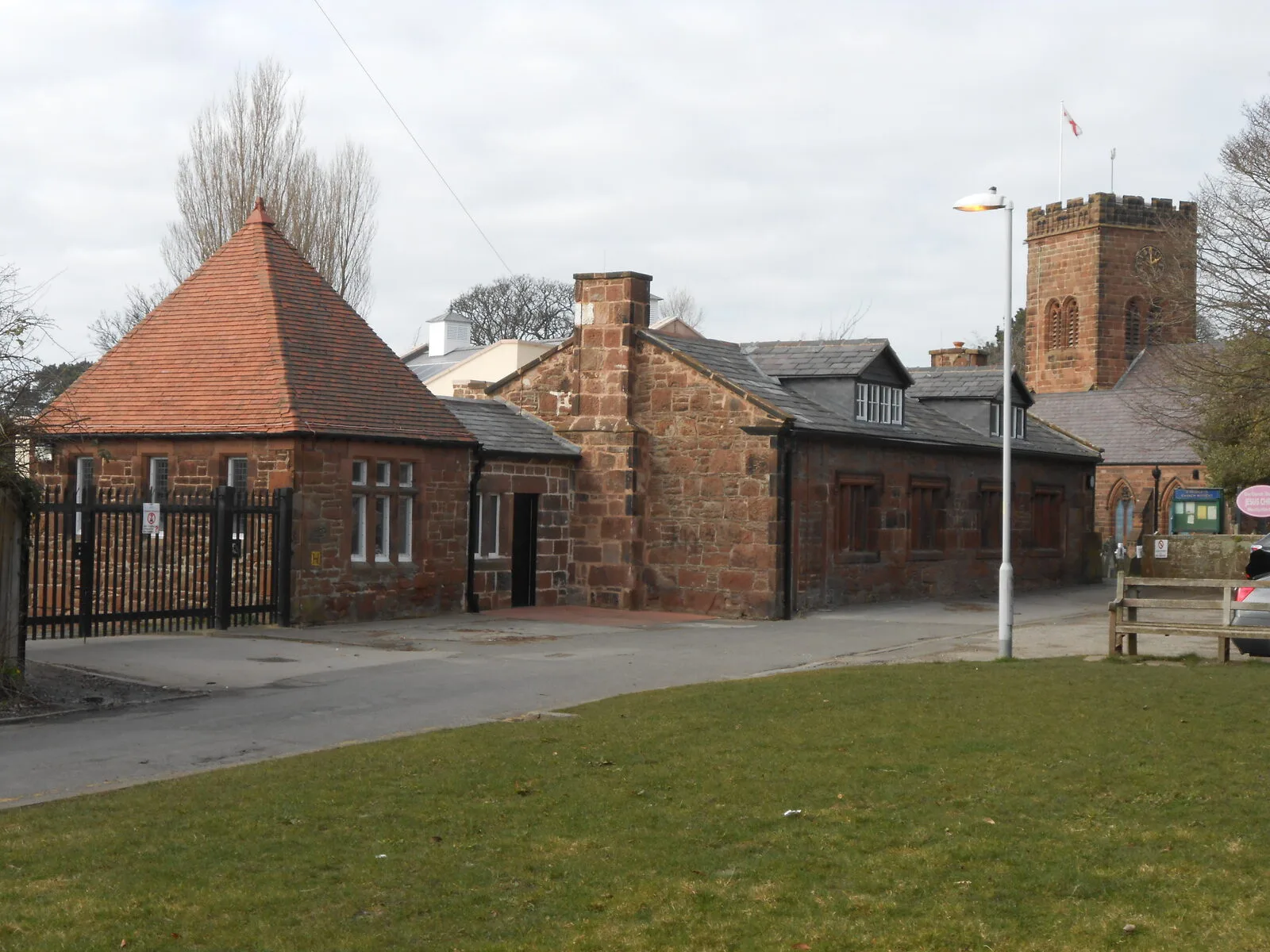
The old school buildings and the Charles Dawson Brown Museum, with St Bridget's church tower behind
Photo: Rept0n1x, CC BY-SA 3.0, via Wikimedia Commons

Our mission: to preserve and display the collection of artefacts covering 1,000 years of the history of St Bridget's Church, and to promote knowledge and understanding of the museum, the church, and local history.

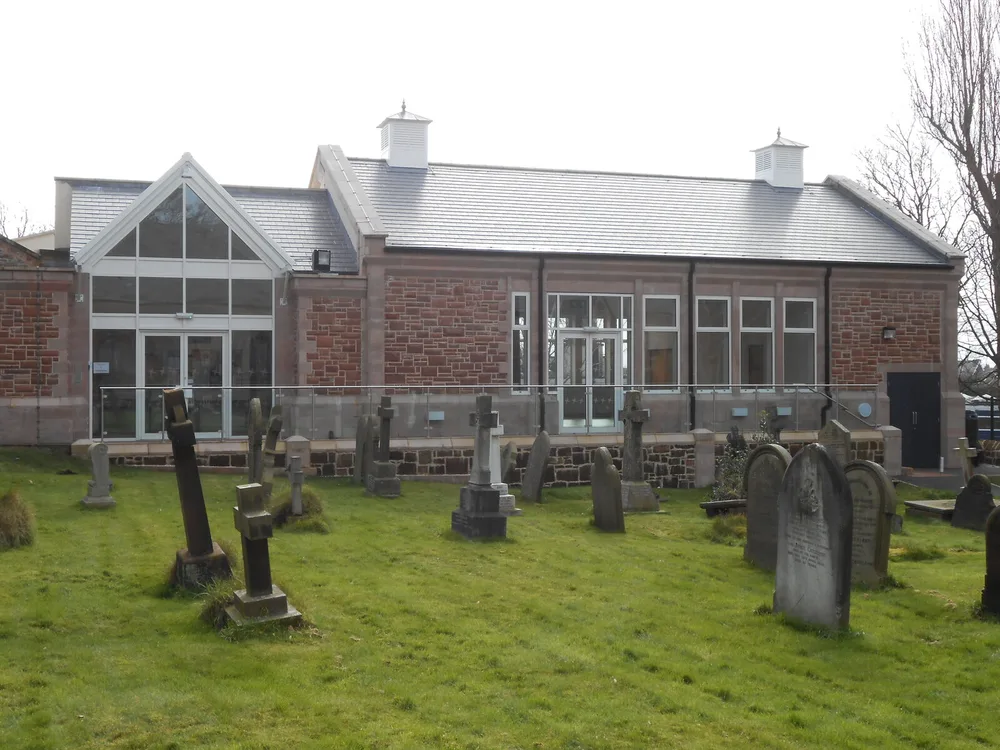
The Charles Dawson Brown Museum today, viewed from St Bridget's churchyard
The museum today — photo: Rept0n1x, CC BY-SA 3.0, via Wikimedia Commons

History of the museum

Founded 1892, out of a rebuilding site

This museum was founded in 1892 in memory of Charles Dawson Brown, who was a churchwarden at St Bridget's Church.

During extensive building work on the church between 1869 and 1871, carved stones and other artefacts came to light. As a local historian, Charles recognised their significance in time to save them from being carted away by the builders.

After his death, a public subscription funded a memorial in his name, and the Hearse House next to the old school room was converted to become the Charles Dawson Brown Museum.

The collection saw limited use for decades — open by appointment and on special days such as the St Bridget's Summer Fair. When St Bridget's Centre was redeveloped, reopening the museum became part of the plan, and 2013 brought its first ever regular opening hours. We've welcomed thousands of Saturday-morning visitors since.
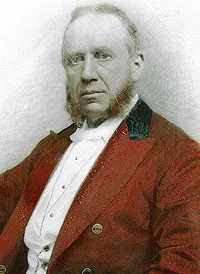
Portrait of Charles Dawson Brown

Who was Charles Dawson Brown?

The man who saved the stones

Charles had a wide range of interests and a consistent concern for the welfare of others. He wrote on the history of West Kirby parish, served as churchwarden at St Bridget's, and sat on the Wirral Board of Guardians.

He was also a key figure at Royal Liverpool Golf Club — to whom the museum is grateful for the photograph of him as club captain.

Following his death, locals raised funds for a memorial window in the church, and the Hearse House by the old school room was converted into the museum that bears his name, to hold the stone items he'd rescued from the builders' cart.

Two annual prizes for scholars at Calday Grange Grammar School were founded in his memory, and a portrait of him was commissioned for the museum. He's buried in St Bridget's churchyard — and when the church is open, you can see the stained-glass memorial window in his honour.

There's more to see: read about what's on display, the story of St Bridget's School, or how the Research Group keeps digging into local history.

Plan ahead

Bringing a group, or tracing local history?

Group visits

Bring a group to the museum

Clubs, schools, historical societies and social groups are welcome by arrangement — £2 per head, up to 20 people, with two weeks' notice.

Book a group visit

Research Group

Researching West Kirby's past?

Our Research Group holds decades of local material — including records of who lived and worked in individual houses and shops across the village. Genuine enquiries are welcome.

Contact the Research Group