Group visits
Bring a group to the museum
Clubs, schools, historical societies and social groups are welcome by arrangement — £2 per head, up to 20 people, with two weeks' notice.
Book a group visitEvery artefact in the museum comes from St Bridget's Church or its immediate surroundings — and each one helps date one of the five periods of building on this site.
Only a small amount of archaeology represents the 1st Church, built around AD 900. Sections of two crosses date from the 10th century, from a time when the building was probably made of wood. The most notable find from this period is the hogback stone, described in full below.
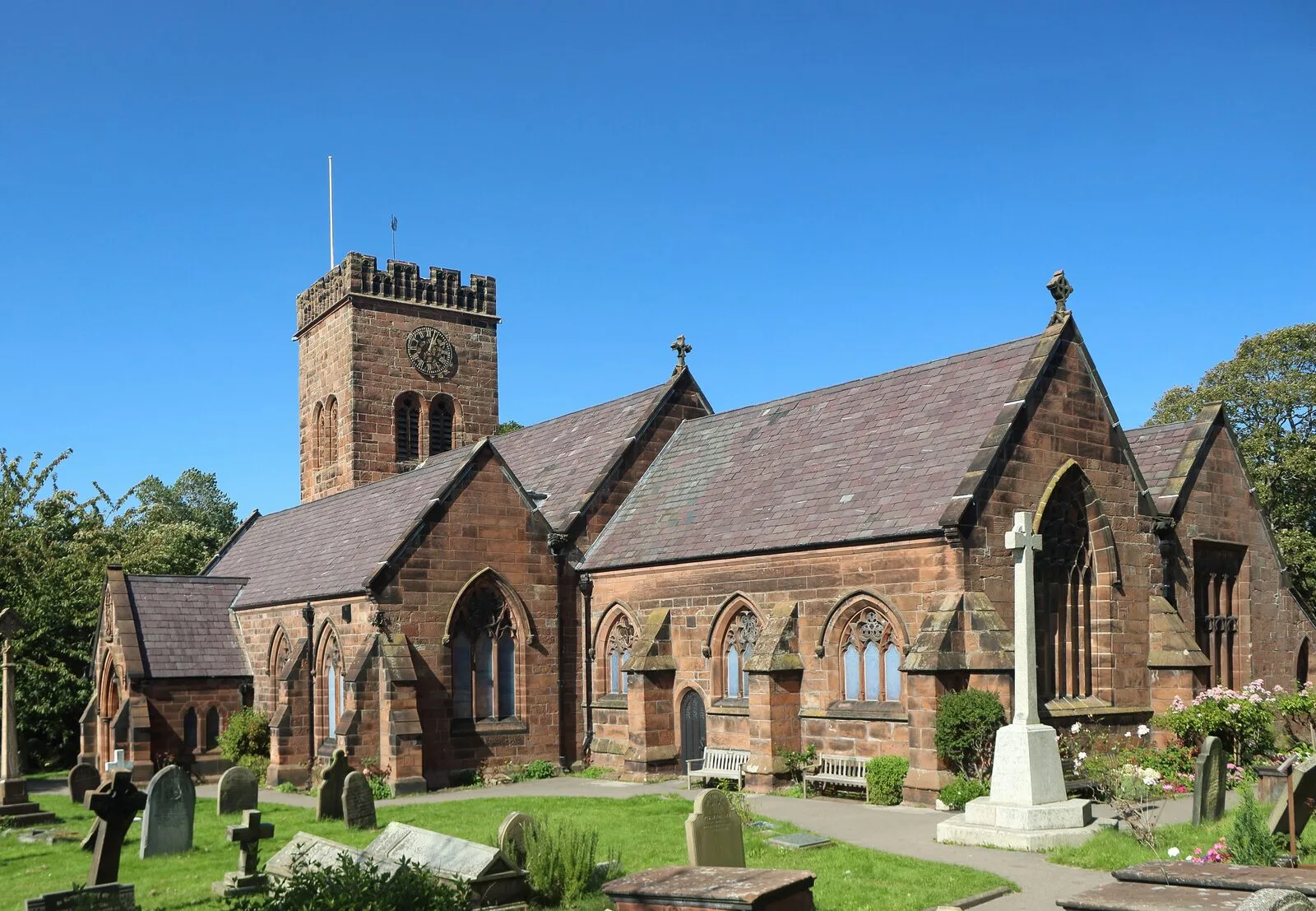
The majority of the collection comprises masonry and grave markers from around the time of the Norman Conquest. It was in 1150 AD that the 2nd Church was constructed — the first stone building on the site. At the museum you can see numerous column and wall fragments from this era, hinting at the type of church the Normans built.
Two of the most interesting stone-carved items in the collection are a child's coffin dating from the 12th century, and a footbath — most likely because the church was a site of pilgrimage.
The 3rd Church was formed by a period of rebuilding dating from the 1230s. A column base on display probably belongs to this phase, and elements of the architecture survive in situ, including a half-pillar at the west end of the arcade.
Three 13th-century grave slabs are in the collection, showing elaborate sandstone designs that hint at the nature of those buried.
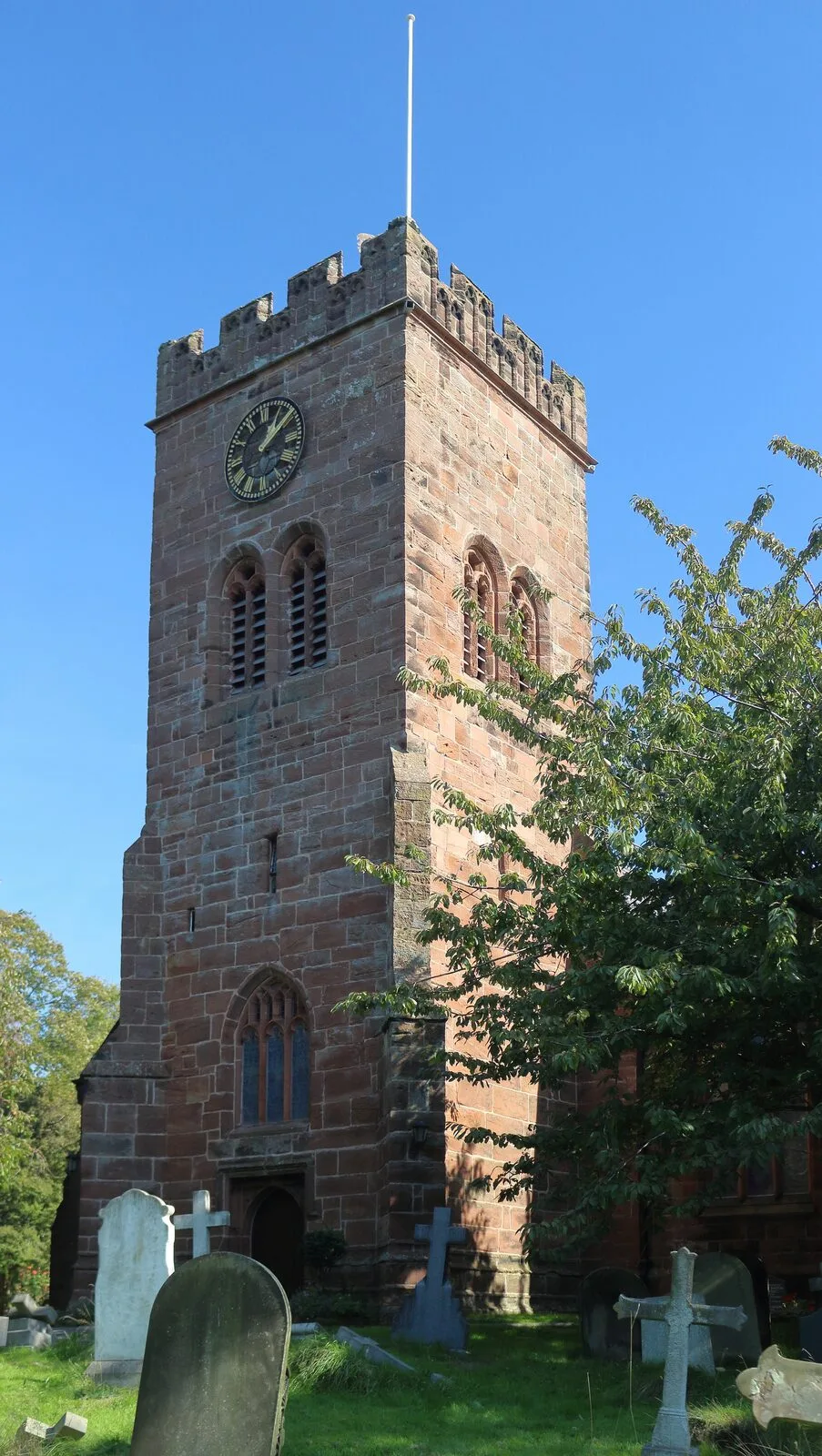
In the church, the surviving east window and the chancel priest's door date from around the 1330s, and the museum holds a corbel head from this time. At the turn of the 15th century the church tower was erected — it has survived through the 4th Church of 1789 and the 5th Church of 1869.
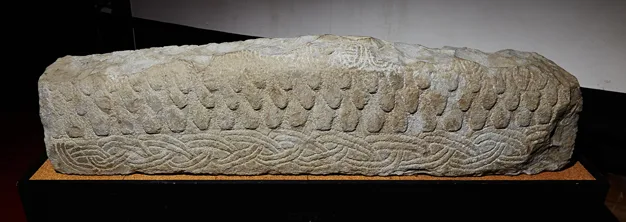
The oldest artefact connected with the collection is also the best known in the area — but it isn't held in the museum building itself. If the church is open when you visit, you can see an Anglo-Norse hogback stone dating to the 10th century AD, discovered during the restoration of the church in 1869.
This is a high-status form of monument. Hogback stones are sculptured stones with a distinctive curved ridge and bowed sides. This shape, and the carved “roof shingles” on either side of the central ridge, are reminiscent of Scandinavian-type houses of the Viking age — stylised houses for the dead.
The St Bridget's stone is carved from hard, grey sandstone which may have come from the Ruabon or Cefn area of North Wales. This type of monument is rare in the region; they are found in far greater numbers in Yorkshire and Cumbria.
The non-local stone underlines the exotic and elite nature of this particular memorial. The design shows close links with other northern and western examples, and its coastal position probably reflects involvement in coastal trade during the Viking period.
Plan ahead
Group visits
Clubs, schools, historical societies and social groups are welcome by arrangement — £2 per head, up to 20 people, with two weeks' notice.
Book a group visitResearch Group
Our Research Group holds decades of local material — including records of who lived and worked in individual houses and shops across the village. Genuine enquiries are welcome.
Contact the Research Group