
Five themes from West Kirby's past, researched from published local-history sources and cross-checked where possible — the Sources page gathers everything we draw on, so you can follow the trail yourself.
Village
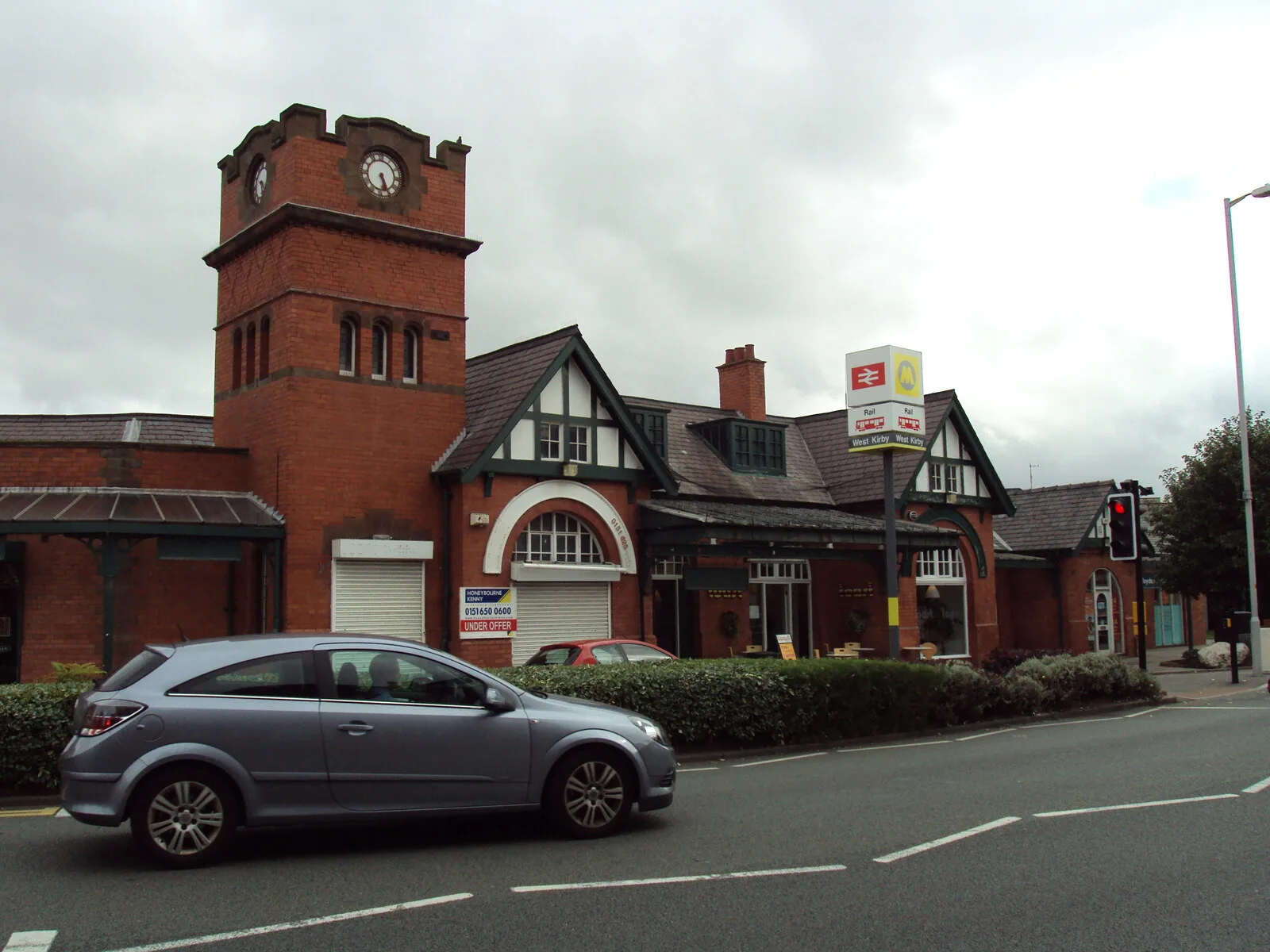
West Kirby Village
Norse beginnings, a church rebuilt five times, and how the 1878 railway turned a farming village into a Victorian resort.
Photo: Rept0n1x, CC BY-SA 3.0, via Wikimedia Commons
1825–1968
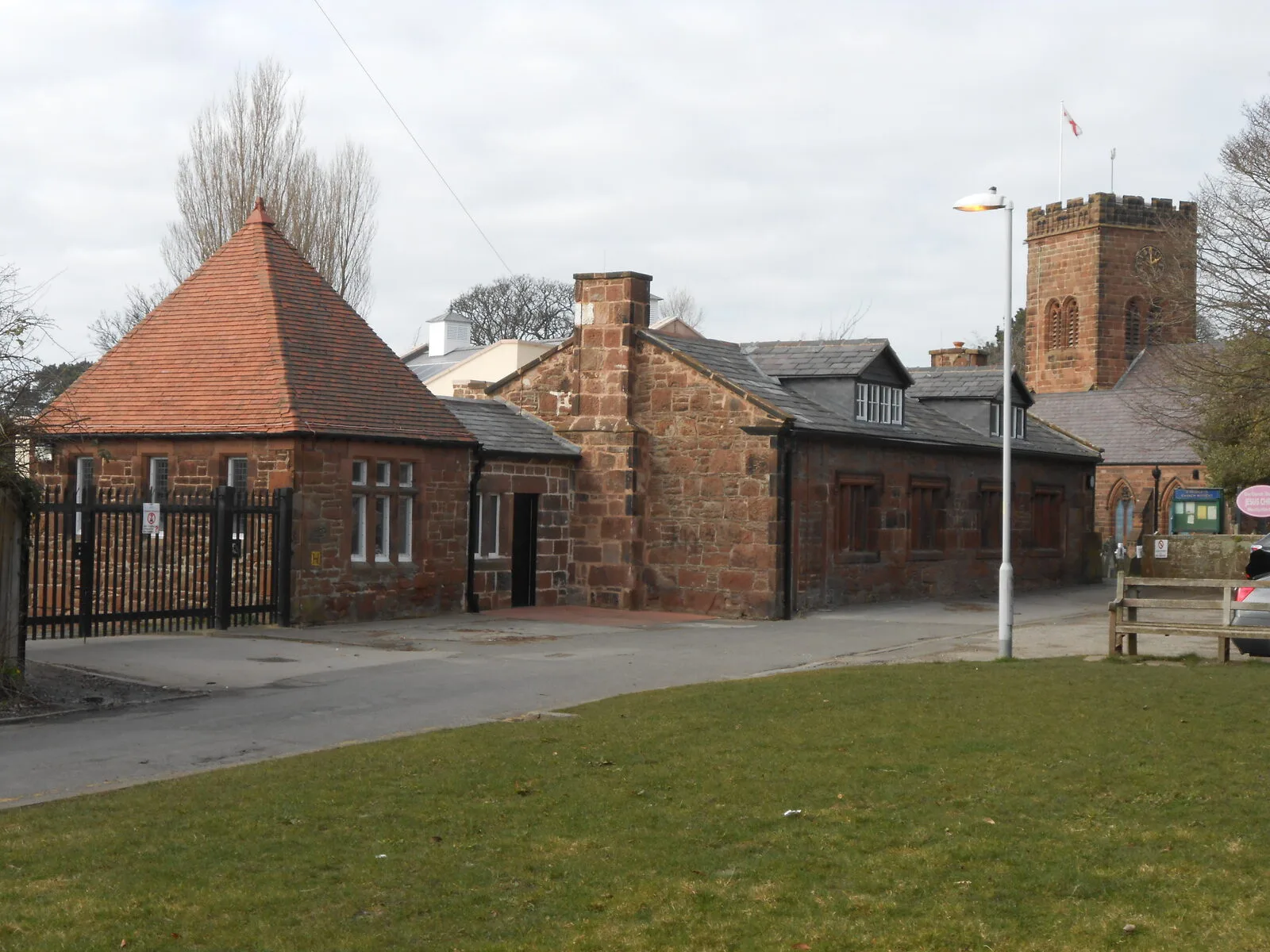
St Bridget's School
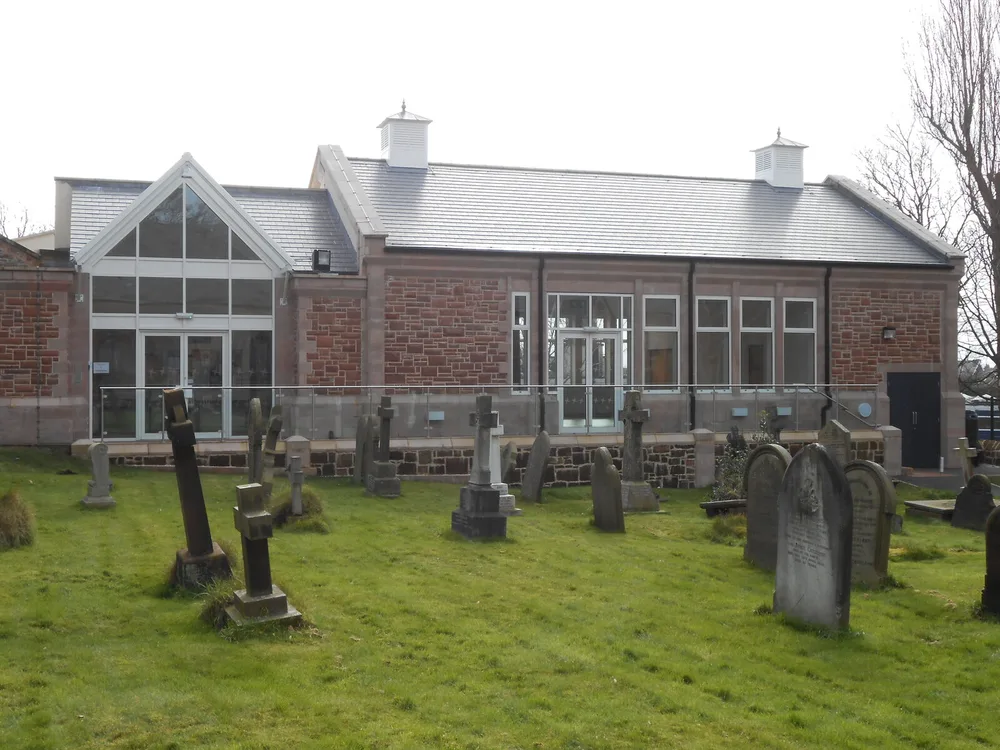
From a single room by the church tower in 1825 to the school you see today — and the museum in its old buildings.
Photo: Rept0n1x, CC BY-SA 3.0, via Wikimedia Commons
1914–1957
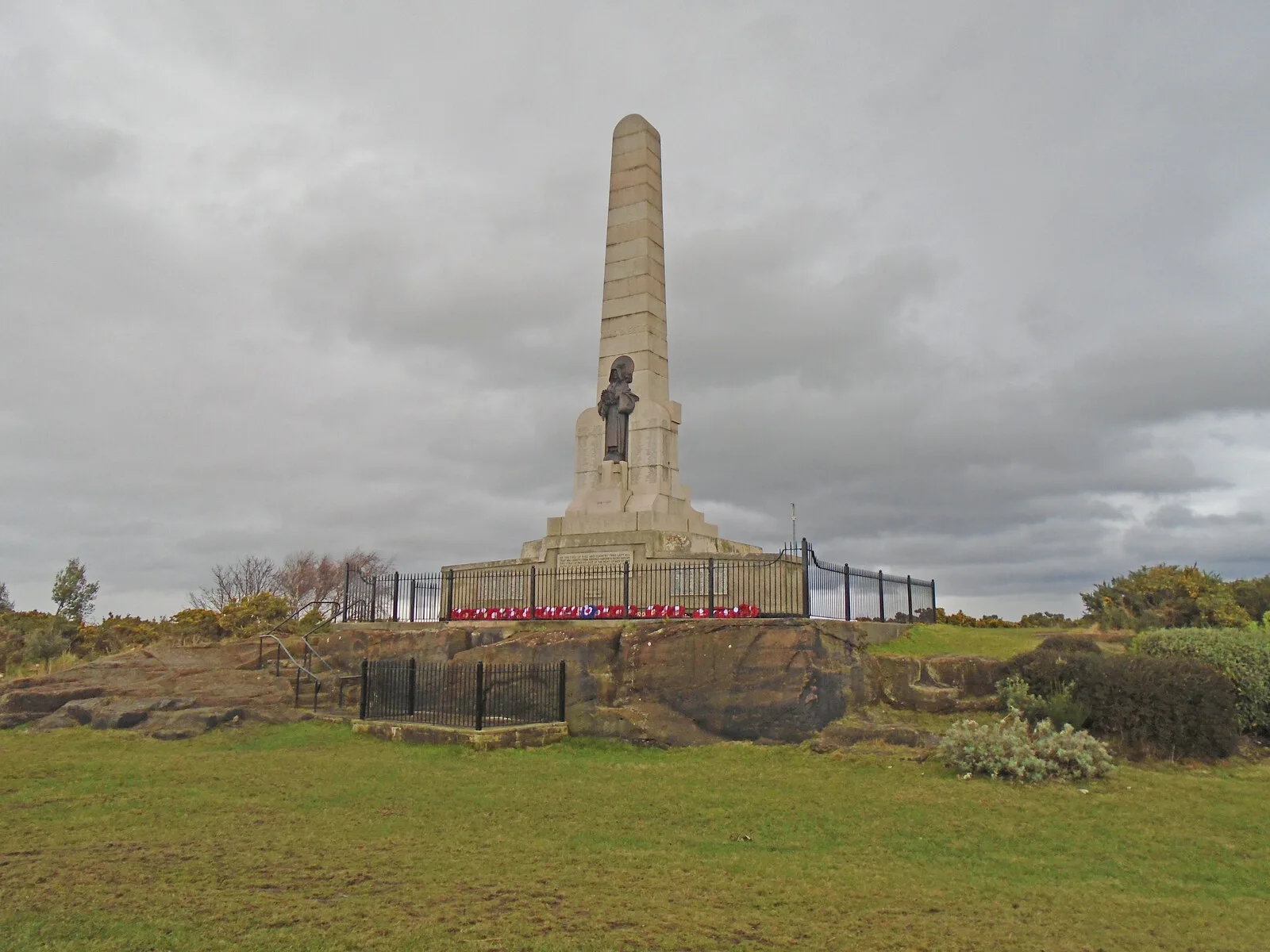
West Kirby at War
The Grange Hill war memorial, the people behind its names, and RAF West Kirby.
Photo: Rodhullandemu, CC BY-SA 3.0, via Wikimedia Commons

People
Notable West Kirby People
From a Everest mountaineer to a Bond actor — the town's connections, briefly told.
Photo: Harald Krichel, CC BY-SA 4.0, via Wikimedia Commons
Bibliography
Sources & Further Reading
Every source used across this Research section, gathered on one page.
Photo: Rept0n1x, CC BY-SA 3.0, via Wikimedia Commons
This section sits alongside the museum's own pages on its history and collection — start there for the museum itself, and here for the wider village it grew out of.