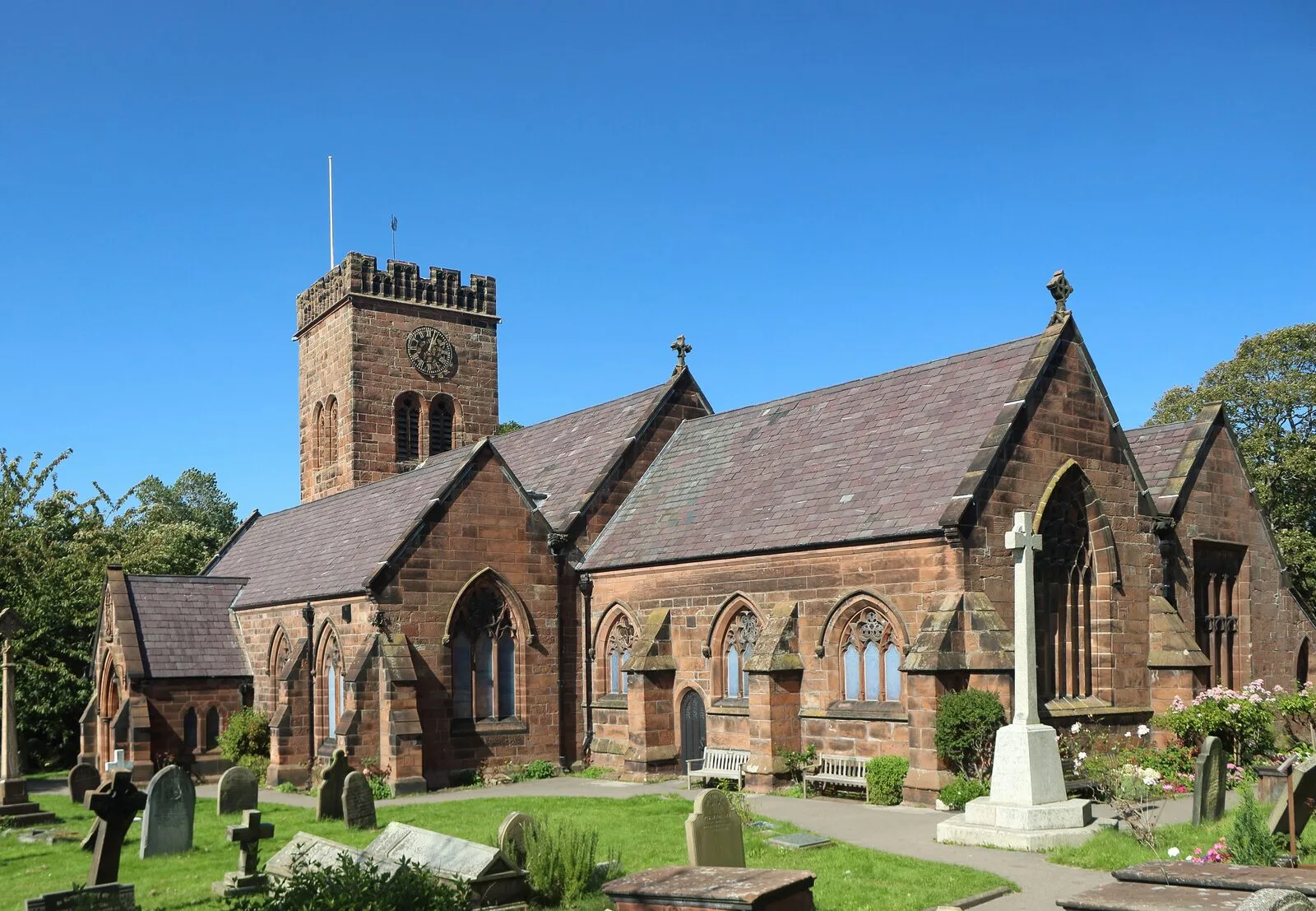
The museum exists because of what a Victorian rebuilding of this church turned up. Its collection makes far more sense once you know the church itself had already been rebuilt at least four times before that.
Locally, the church's own history is counted in five buildings on one site — a framework the museum uses to date its own collection, since almost every carved stone in the collection belongs to one of these five phases.
Church one: the Norse foundation, c.900 AD
It is likely a church stood here before the Norman Conquest, serving the Norse-founded kirkjuby that gave the village its name (see Norse Origins). Almost nothing survives of this first building above ground — it was probably timber — but two 10th-century carved cross fragments in the museum's collection are thought to date from this earliest phase, alongside the hogback stone kept in the church itself. Curiously, the church or parish goes unmentioned in the Domesday Book of 1086, despite the strength of the archaeological and place-name evidence for a settlement here well before that survey.
Churches two and three: Norman stone, medieval Gothic
Around 1150–60, the first stone church replaced the timber original — the Norman-period building that most of the museum's masonry fragments belong to: column and wall fragments, a carved child's coffin, and a stone footbath, probably connected with the church's role as a site of pilgrimage.
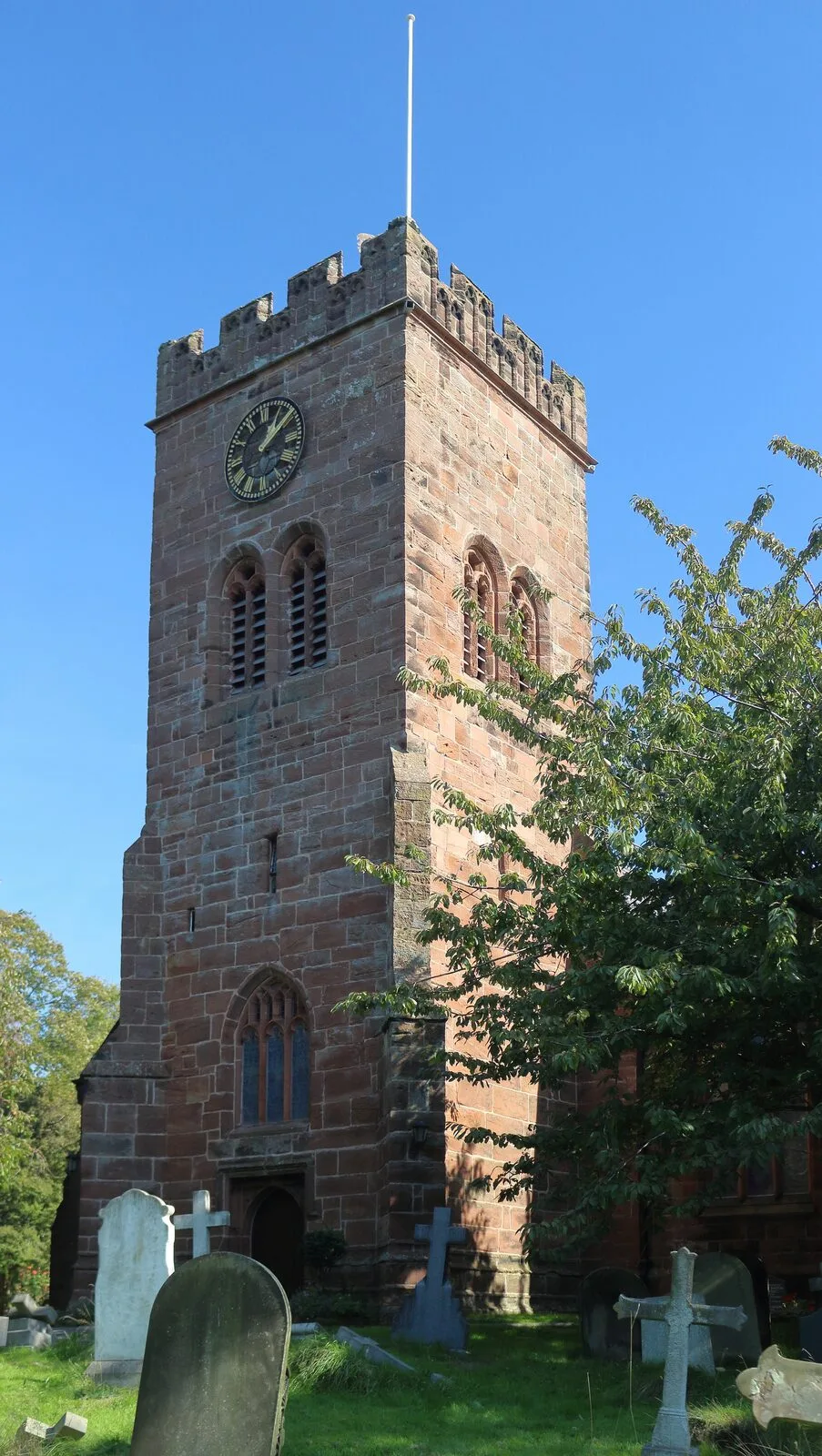
A further rebuilding followed in the 1230s, of which a surviving column base and a half-pillar at the west end of the arcade still stand in situ. The chancel, east window and priest's door date from around the 1320s–30s, and the tower — the one still standing today — was raised in 1493. It has outlasted every rebuilding since.
Churches four and five: Georgian rebuild, Victorian restoration
A fourth church was built in 1789, and a fifth — the building you see today — followed after a major restoration in 1869–70 by the architects Kelly and Edwards, extensive enough to amount almost to a complete rebuilding.
It was this 1869–70 restoration that changed the museum's own history. Clearing the site for rebuilding work turned up the hogback stone and the bulk of the carved masonry now in the museum's collection — stones that would otherwise have been carted away as rubble. Charles Dawson Brown, the church's warden and a local historian, made sure they weren't. Read the fuller story of what happened next on the museum's own About page.
Our Research Group holds decades of local material — including records of who lived and worked in individual houses and shops across the village. Genuine enquiries are welcome.