Group visits
Bring a group to the museum
Clubs, schools, historical societies and social groups are welcome by arrangement — £2 per head, up to 20 people, with two weeks' notice.
Book a group visitThe museum sits inside the old St Bridget's school buildings, beside the church whose stones fill its collection, at the heart of the old village. Start with any of the four stories below.
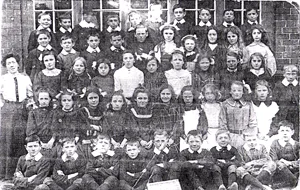
1825–1968
How St Bridget's School moved across four sites, and how its old buildings came to house the museum.
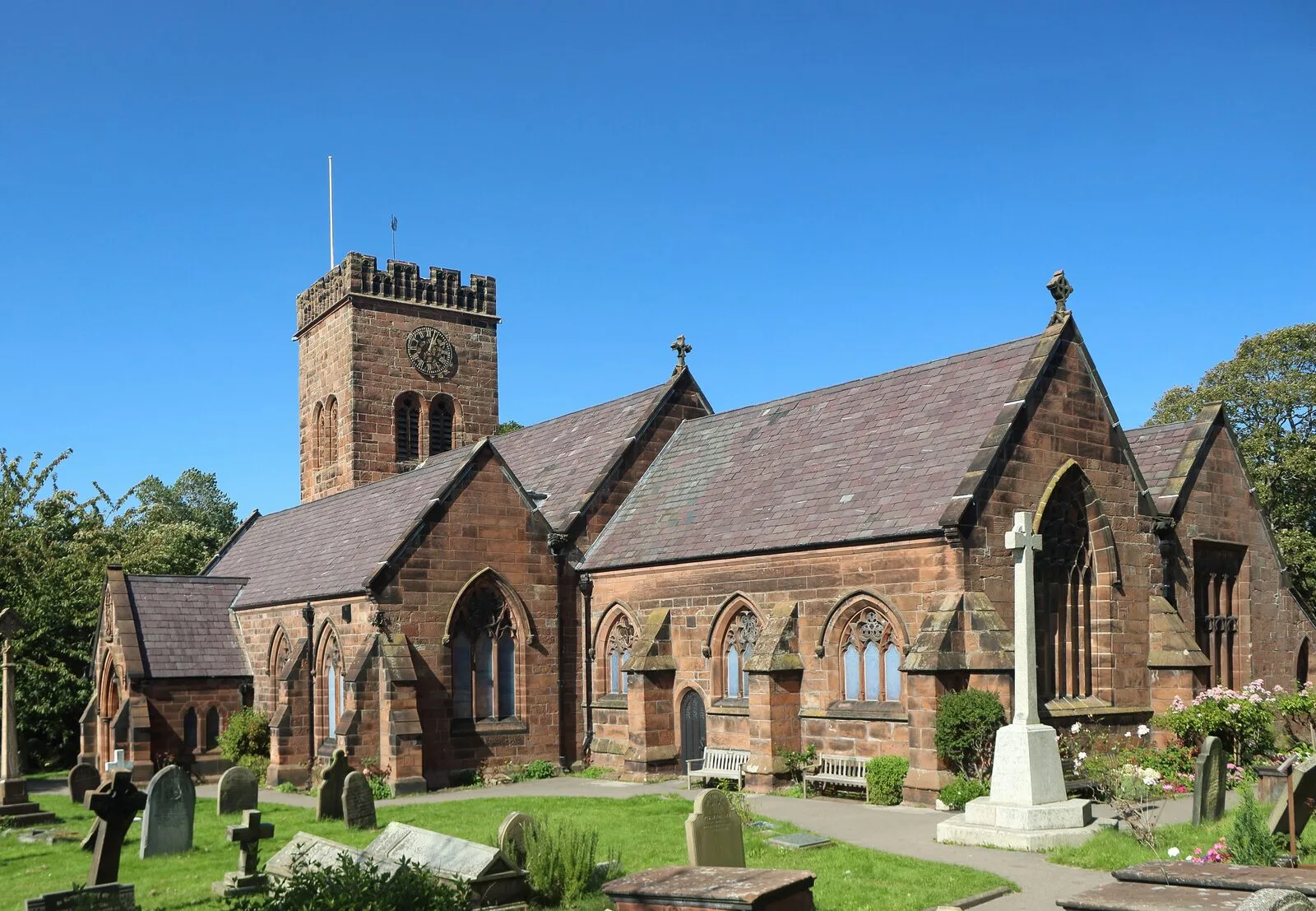
c.900–1870
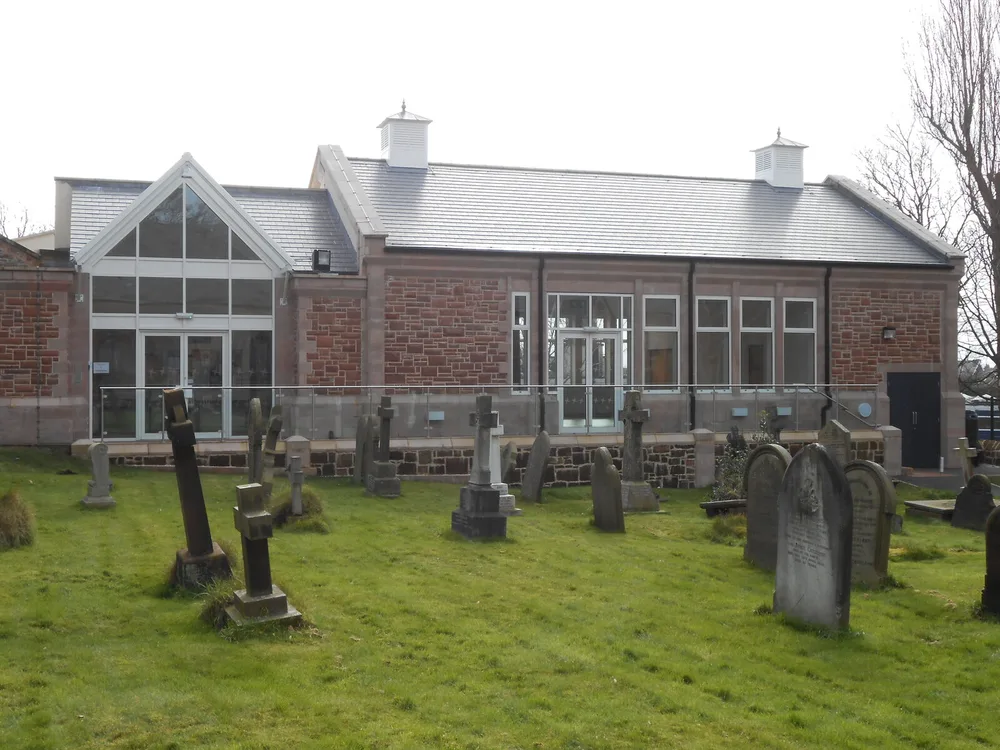
How the church on this site was rebuilt five times — and what each rebuilding left behind.
Photo: Rodhullandemu, CC BY-SA 4.0, via Wikimedia Commons
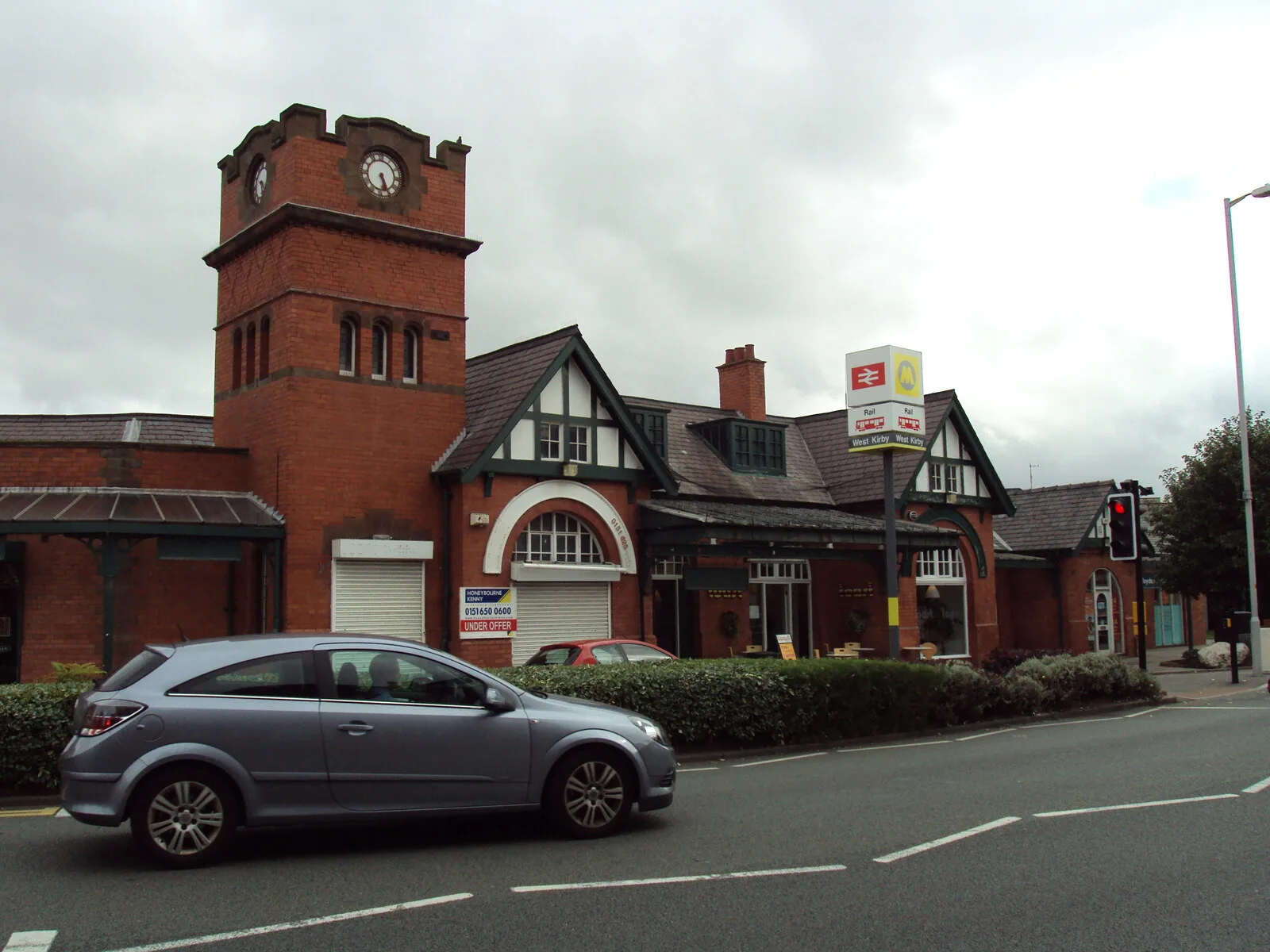
Village
Norse beginnings, and how the 1878 railway turned a farming village into a Victorian resort.
Photo: Rept0n1x, CC BY-SA 3.0, via Wikimedia Commons
1892–today
Founded in 1892 in memory of Charles Dawson Brown, with its first regular opening hours from 2013.
Photo: Rept0n1x, CC BY-SA 3.0, via Wikimedia Commons
St Bridget's School was known as West Kirby National School during the nineteenth century. From 1825 to 1900 the school was located on four different sites.
In 1825 the West Kirby National School opened in a room adjoining St Bridget's church tower. West Kirby was a rural community, and it's likely the few pupils were children of farmers and farm labourers.
The building was demolished in 1848 and a new school built on land close to the church — its outer offices house the present museum. Two former doorways, possibly marked Boys and Girls, are still visible on the outside of the building.
In 1864 the pupils transferred to Grange School, on the other side of Grange Hill, later known as the Grammar School. The school at St Bridget's became a Sunday School and meeting room.
In 1885 the scholars transferred back to a new brick-built school by St Bridget's church, which had two turrets and a bell tower.
In 1965 work began on a new school on the same site; the final phase was completed in 1968 and remains very much as you see it today. The old sandstone school building was used as a canteen in the 1950s and 60s, and later as an additional classroom.
The Charles Dawson Brown Museum had already been created in the hearse-house next to the old school building — a permanently locked door, visible to generations of children in the cloakroom who had no idea what was behind it.
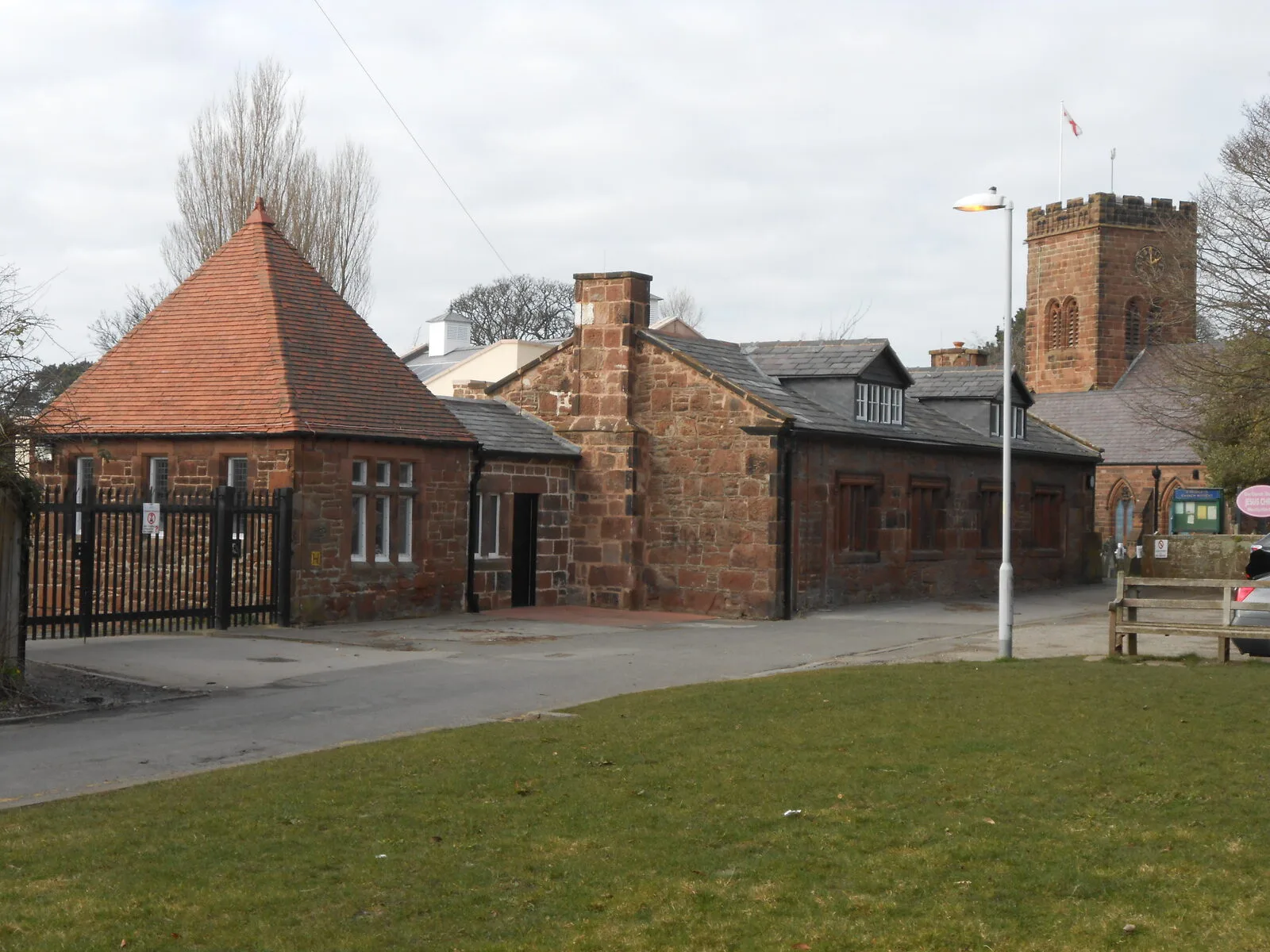
Read more about how the museum itself began, or see what's on display today.
Plan ahead
Group visits
Clubs, schools, historical societies and social groups are welcome by arrangement — £2 per head, up to 20 people, with two weeks' notice.
Book a group visitResearch Group
Our Research Group holds decades of local material — including records of who lived and worked in individual houses and shops across the village. Genuine enquiries are welcome.
Contact the Research Group